
10 September 2026: The Queensland Tourism Industry Council (QTIC) is calling on the Federal Government to reconsider Working Holiday Maker visa changes that could affect international visitor numbers, how long they stay and how far they travel.
A decision on visitor and Working Holiday Maker visa settings could be made within weeks, with QTIC warning that Queensland tourism operators risk being caught up in broader efforts to reduce net overseas migration, despite Working Holiday Makers and longer-stay visitors playing a distinct role in the visitor economy.
Options publicly reported include cutting visitor visa validity from twelve months to six and removing access to second and third Working Holiday Maker visas.
No announcement date has been set, leaving businesses taking bookings and building rosters for the summer season without knowing which rules will apply.
Twenty-two of the 29 partner countries in the capped Work and Holiday visa stream are currently closed to new first-visa applicants, just two months into a twelve-month program year. Separately, the Minister has confirmed that Working Holiday Maker applications, including the uncapped Working Holiday stream, are being processed more slowly than they were previously.
QTIC supports the position agreed this month by the Australian Tourism Industry Council and every state and territory tourism industry council: Working Holiday Makers and other longer-stay visitors should be recognised for the distinct role they play in Australia’s visitor economy when governments consider migration and visa policy settings.
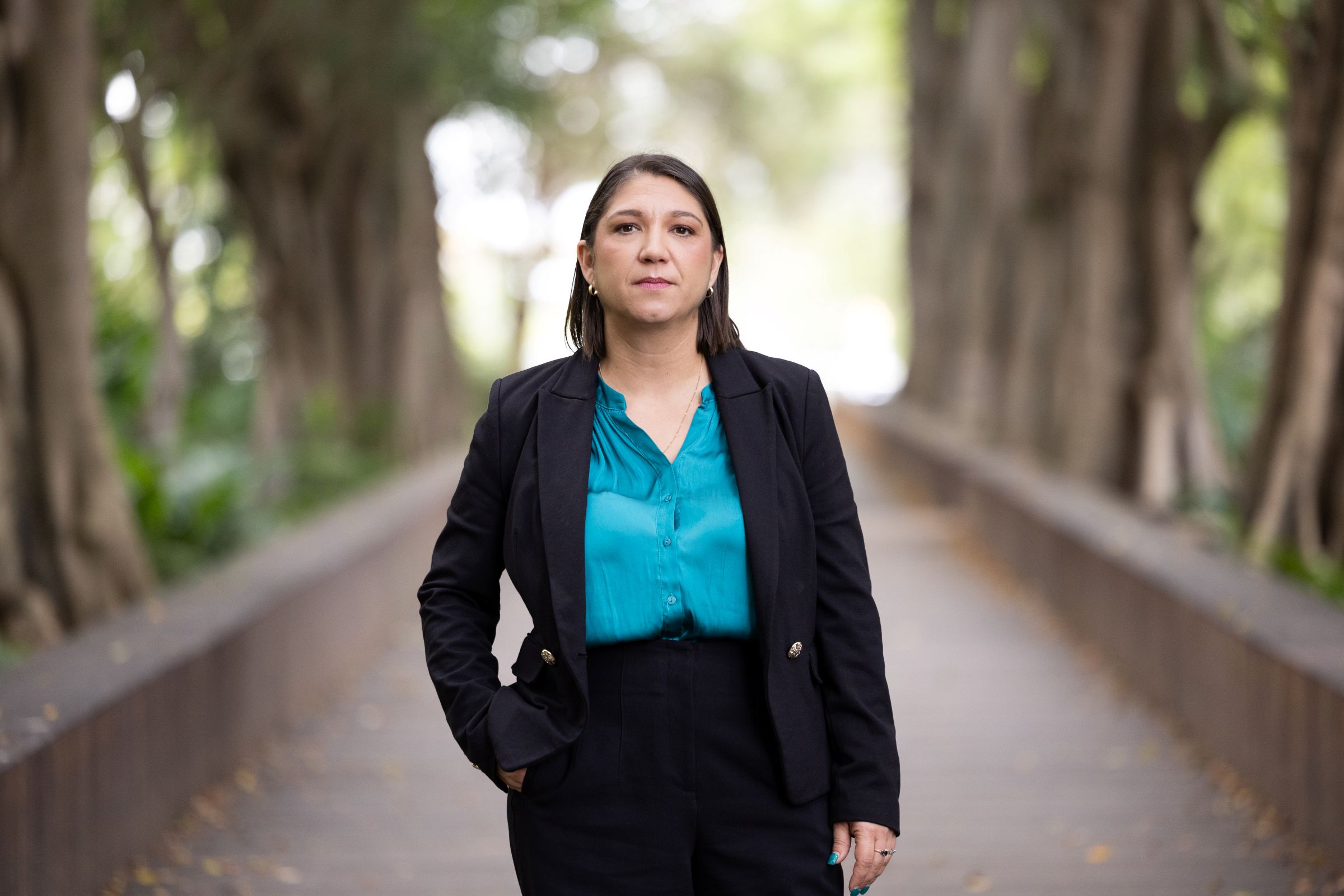
QTIC Chief Executive Officer Natassia Wheeler said policy settings needed to recognise the difference between temporary visitors and longer-term migration.
“Queensland shouldn’t have to trade away jobs, visitor spending and business capacity so a national number looks better,” Wheeler said.
“These are temporary visitors who come to Australia to travel, spend and, for a limited period, work while they are here. Treating them in the same way as longer-term migration for policy purposes risks distorting the picture and pushing the government towards measures that could have unintended consequences for tourism and the broader economy.
“This is a statewide issue. Working Holiday Makers support hotels, restaurants, cafes, bars, attractions and events in Brisbane, on the Gold Coast and in Cairns, as well as in regional hubs, tourism destinations and remote communities across Queensland.
“They are also customers. They stay in accommodation, eat and drink locally, take tours, attend events, use transport and spend money with retailers and other businesses throughout the visitor economy.”
Cafes, restaurants and takeaway food services account for 43,000 direct tourism jobs in Queensland, more than any other part of the visitor economy. There is no alternative visa program covering them, and the Pacific Australia Labour Mobility scheme does not extend to tourism and hospitality.
Nationally, international Working Holiday Makers spent $3.3 billion in capital-city markets and a further $1.1 billion in regional Australia in 2025. Their regional spending represented 20 per cent of all international visitor expenditure in regional Australia.
Second and third visas are not a fringe part of the program. Of the 323,077 Working Holiday Maker visas granted in 2025–26, 127,895 were second or third visas, close to two in five. In the Work and Holiday stream alone, 29,006 second and third visas were granted, with every one requiring specified work in a designated region.
“Some of these workers arrive with years of hospitality experience behind them,” Wheeler said.
“They train the people around them and lift the standard of service across a whole team. You don’t see that in a workforce number, but Queensland operators feel it the moment it’s gone.
“We’re about to host the world in 2032, and we’re making it harder for experienced people to come here.
“A Working Holiday Maker may start their journey in Brisbane, take a hospitality position in a regional centre and spend money in a dozen communities along the way. Pull one thread and the whole thing moves.”
QTIC is calling on the Federal Government to:
- Change what’s counted: Review the definition of what is counted in net overseas migration figures so temporary longer-stay visitors are appropriately distinguished for policy purposes.
- Work with industry on the alternatives: Sit down with the tourism and events sector to investigate solutions and policy changes that deliver a positive net effect on net overseas migration while minimising the impact on visitors.
- Publish the modelling first: Make no change to visitor visa periods or second and third Working Holiday Maker pathways without published modelling of impacts on visitor expenditure, workforce capacity, service standards and business viability across cities and regions.
- Keep the regional pathways: Preserve second and third-year pathways and the regional-work incentives that support visitor dispersal and seasonal workforce supply.
- Protect those already committed: Provide transitional and grandfathering arrangements for travellers and businesses relying on current settings.
Underlying all of these measures is a commitment to retain the number of longer-stay visitors, their length of stay and their mobility while in Australia.
“We’re not standing here saying no,” Wheeler said.
“The Government has a number it wants to reach and we’re offering to help it get there. What we won’t accept is that it gets there by cutting the number of longer-stay visitors, how long they can stay, or their ability to move around the country.
“QTIC supports a well-managed visa system, strong program integrity and firm protections against worker exploitation. We are not calling for an unrestricted program. We are calling for predictable, evidence-based settings that recognise the different roles these travellers play in Australia’s economy.”
QTIC is working with the Australian Tourism Industry Council and state and territory Tourism Industry Councils on a coordinated national response. Queensland operators, workers and suppliers who want to register the effect on their business can contact QTIC and are encouraged to write to their local Federal Member.
Ends.
The Comms People provides strategic communications, public relations and media relations support to QTIC. For more information and images, please contact Jennifer or Heather at The Comms. People:
Jennifer Swaine | 0438952830 | jen@commspeople.au
Heather Mollins | 0412421411 | heather@commspeople.au